The first plow of the season almost always arrives after midnight, and the tickets are written before most people are awake. Every winter the same scene plays out in Elmwood: a storm shifts east, the town calls a snow emergency, and a handful of cars parked on the wrong side of the street end up buried, ticketed, or towed to a lot across town. None of it is a secret. The rules are posted on the signs you walk past every day, and the alerts are free. They just aren't read until the morning after.
Here's the short version of what to know before the first flakes fall.
Two rules, not one
The most common mistake is treating winter parking as a single rule. It's actually two, and they start at different times.
The first is the seasonal overnight ban. Many streets restrict parking between certain overnight hours for a stretch of the winter — often from late fall into early spring. It applies whether or not snow is in the forecast. The dates and hours vary by street, so the sign on your block is the authority, not what a neighbor told you a few years ago.
The second is the snow emergency, sometimes called a winter parking ban or a declared parking emergency. This is event-driven: the town watches the forecast, decides the plows need the full width of the road, and announces a ban that runs for a set period. That announcement is the part people miss. It can come in the evening, it can be updated mid-storm, and it overrides whatever your usual routine is.
Why towns do this at all
A plow needs room. On a street with cars on both sides, there's often barely enough width for one vehicle to pass, let alone a plow with a wing blade. What happens next is predictable: the driver either skips your block or pushes a ridge of snow against the parked cars that freezes solid by morning. Those ridges are why a street stays icy for two weeks after a two-inch storm. The parking rules aren't about punishment. They're about getting the road back to bare pavement before the next storm.
Alternating sides and odd-even rules
Some blocks alternate which side you may park on, either by calendar date or by even and odd days of the month. If your street does this, get in the habit of checking the date before you turn off the engine. The rule flips at midnight, so a car parked at 11 p.m. can be in violation five minutes later without ever moving.
Read your own street sign — carefully
Parking rules change block by block, sometimes within a single street. Before the first storm, walk outside in daylight and photograph the sign closest to where you park. Look for:
- The exact months and dates the seasonal ban covers
- The specific hours it's in effect
- Whether it's both sides of the street or one side only
- Any exception for residents with a permit or a driveway
- Whether the sign says "no parking" or "no standing," which are not the same thing
Save the photo to your phone. When a friend asks whether they can leave their car overnight, you'll have an answer instead of a guess.
Sign up for the alert before you need it
Snow emergencies get announced through several channels, and the town can't call you if it doesn't have your number. Do this now, while the ground is still bare:
- Find the town or city's snow emergency page and bookmark it on your phone's home screen.
- Register for the text and email alert system, if one is offered. Confirm the number you entered — a single wrong digit means silence.
- Check whether you can add more than one phone number or address, and add the households that need to know: a parent, a roommate, a tenant upstairs.
- Follow the public works and police department accounts where storm announcements are posted.
- Bookmark one local radio station or news page that carries storm updates for when the power flickers.
- Set a recurring phone reminder to check the forecast whenever snow is predicted overnight.
- Test the system with a small storm, not the big one. You want to find out the alerts aren't reaching you in November, not in February at 6 a.m.
A text thread with two or three neighbors on your block is also worth setting up. Someone will see the plow turn onto your street and send a message. That's often faster than any official channel.
What to do when a ban is called
Move the car early. Streets fill up fast when everyone on the block gets the same alert at the same time, and the spots closest to driveways and corners go first. If the town designates municipal lots or a school lot for overnight parking during storms, use them — that's what they're for. After the plow passes, clear the snow from around your tires and mirrors before you drive. And if you dig out a space by hand, don't leave a lawn chair in it overnight; that's a fight you don't need with the person who lives three doors down.
The mistakes that cost the most
Guests are the biggest source. A friend stays over, the ban is called at 10 p.m., and nobody moves the car. Roommates and partners with a second vehicle are a close second. So is the assumption that a light storm doesn't count — bans are often declared for two or three inches because that's exactly the snowfall that turns to ice under traffic.
The other quiet one: moving your car to the other side of the street and forgetting about it. If your block alternates sides by date, a car can sit legally all evening and be in violation by breakfast.
Ten minutes now, no ticket later
Before the first snow, do four things. Photograph your street sign. Sign up for the town's alerts and confirm your number. Tell everyone who parks at your address what the rules are. And decide, in advance, where the car goes when a ban is called — your driveway, a neighbor's, or a designated lot.
That's the whole job. Ten minutes in the fall versus a morning spent scraping ice off a windshield while a ticket flutters under the wiper. For the exact dates, hours, and fine amounts on your street, check the town's official parking page or call the clerk's office; the sign and the town's published rules are the final word.
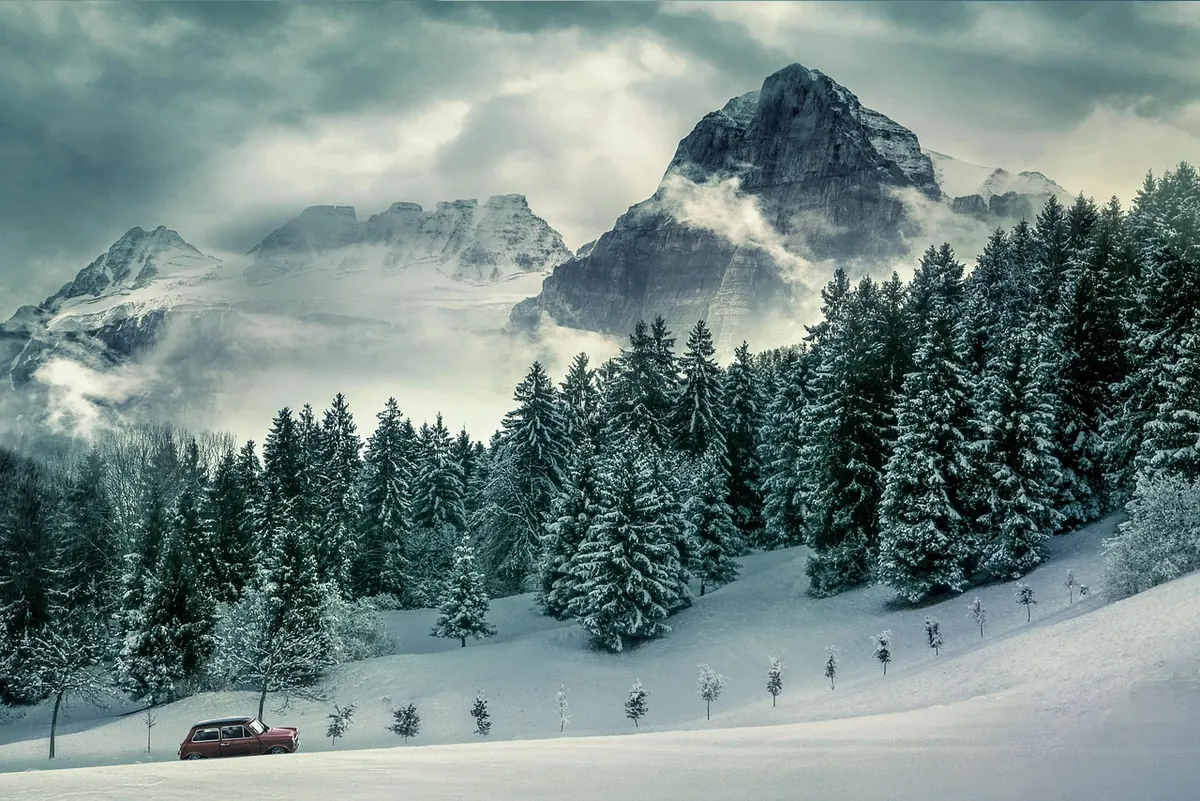
Photo: kinkate / Pixabay