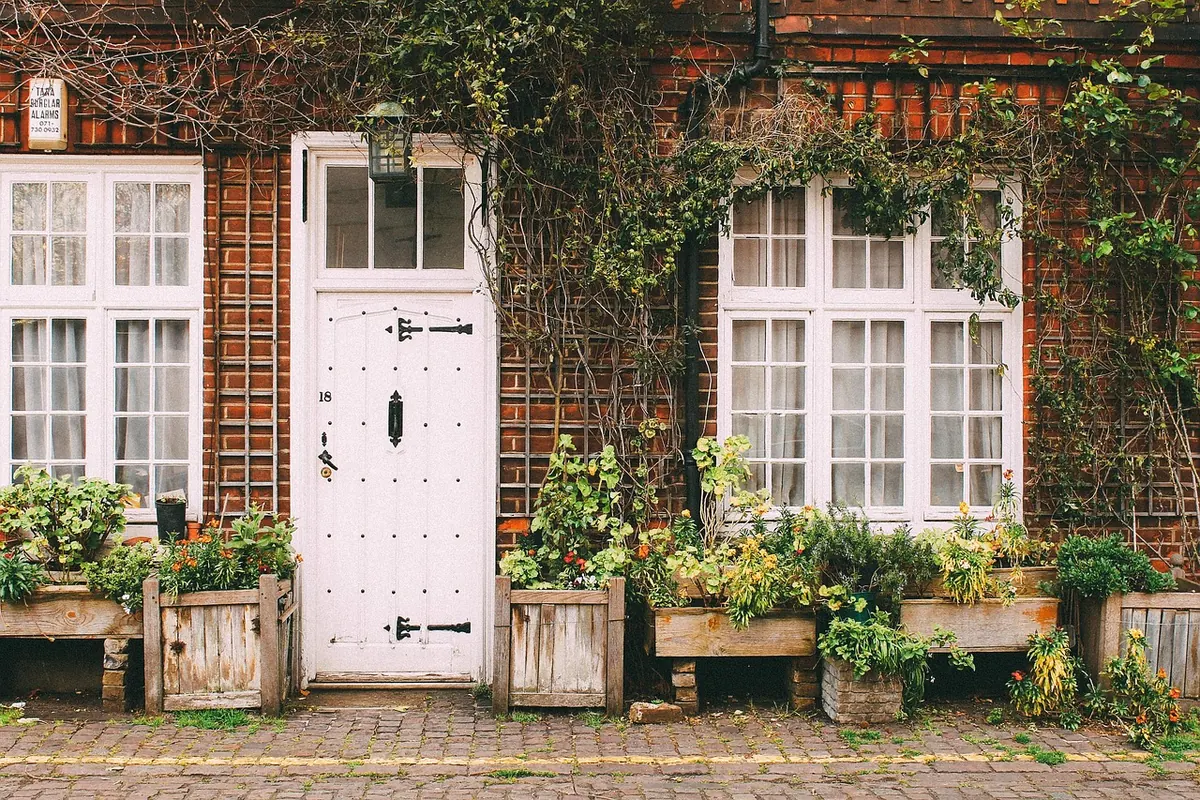
Ask any Elmwood agent about first-time buyers and you will hear a familiar set of stories, told with affection and a small wince. The couple who fell for the wraparound porch and never asked about the basement. The buyer who won a bidding war by dropping the inspection, then spent the first spring digging up a sewer line under a mature maple. None of them were careless. They were new to a process that hides its expensive parts behind its pretty ones.
These are the missteps that come up again and again, and what to do instead.
1. Reading the list price as the monthly payment
The number on the listing is the smallest number in the whole transaction. Taxes and insurance often move the monthly figure enough to change which house you can actually afford, and they can move again after you close.
Two things catch people: reassessment and exemptions. Many places reassess after a sale or on a set cycle, so the tax bill the seller shows you may not be the bill you receive. Owner-occupant or homestead exemptions frequently have to be applied for, and no one applies on your behalf. If you are moving from another state, your old exemptions and your old escrow habits may not travel with you.
Then there is escrow. When taxes or insurance rise, your lender may cover the gap and raise your monthly payment to rebuild the reserve. Buyers who budgeted to the dollar find that letter unpleasant.
Call the county assessor's office and ask how assessments work, when they change, and which exemptions you qualify for. Ask a lender to run your payment at today's tax figure and at a higher one. Then decide whether you still like the house. For anything involving your taxes or loan terms, get the answer from a lender or tax professional rather than a neighbor.
2. Skipping the sewer scope on an older home
Elmwood's older blocks have older pipes, and the line from the house to the street is the one nobody thinks about until a basement drain backs up on a Sunday. Street tree roots find the joints. Clay tile cracks and shifts. Cast iron rusts from the inside out.
A camera inspection of that lateral line is a small line item during your inspection period and one of the few that can spare you a repair costing many times the fee. Have it scoped from the house all the way to the main, and ask to see the video, not just a summary. If the seller offers a recent report, check the date and the address on it.
While the plumber is on site, ask about the material of the interior supply lines, the age of the water heater, and where the main shutoff is. Write that last one down. You will need it at the worst possible moment.
3. Waiving inspections to compete
When several buyers want the same house, waiving the inspection feels like the price of winning. Sometimes buyers drop the whole thing. More often they drop it without understanding what they gave up.
There is a middle path. Bring a contractor through before you make an offer. Contract for an inspection that is for information only, where you agree not to request repairs but keep the right to walk away if something serious appears. Keep the sewer scope and a structural look even if you let the cosmetic questions go.
If you plan to waive anything, know the worst-case cost first. A roof, a foundation, or a sewer line is not a negotiation you want to lose after closing, when it is entirely yours.
4. Buying the kitchen instead of the systems
Paint, cabinets, and light fixtures are the cheapest things to change and the easiest to fall for. Roofs, foundations, wiring, plumbing, and heating systems are the opposite. A house with a dated kitchen and a new roof is usually the better buy.
- Roof: age, layers, flashing, gutters, and where the water goes when it leaves the downspout.
- Foundation and drainage: cracks that have moved, moisture in the basement, the slope of the yard.
- Electrical: panel capacity, ungrounded outlets, old knob-and-tube or aluminum branch wiring, and whether an addition was ever permitted.
- Heating and cooling: age, service history, and whether the ducts reach the rooms you will actually use.
- Plumbing: supply line material, water pressure, and that sewer scope.
- Windows and insulation: not glamorous, but they show up on every utility bill.
Walk a house twice. Once for how it feels, once for how it works. The second walk is the one that protects your money.
5. Budgeting for the down payment and nothing else
First-time buyers often arrive at closing with exactly enough and leave with nothing. The down payment is the headline; the rest of the bill arrives in pieces.
- Closing costs: lender fees, title work, appraisal, recording, prepaid taxes and insurance.
- Escrow setup: your lender may collect several months of taxes and insurance up front.
- Moving: the truck, the boxes, deposits, and the steady stream of hardware store trips.
- Immediate repairs: locks, filters, a water heater that quits in week two.
- First-year maintenance: gutters, furnace service, tree work, snow.
Keep a reserve after closing, and treat it as untouchable. Ask your lender what minimum cash they require you to have left over, then aim higher than that if you can. Being able to make the payment is not the same as being able to afford the house.
6. Not checking permits, records, and neighborhood rules
Elmwood has plenty of finished basements, converted garages, and back additions, and not all of them were built with paperwork. Unpermitted work can complicate insurance, resale, and your plans to add on later.
Before you release contingencies, spend an afternoon at the building department. Ask for the permit history and the property record card. Compare the bedrooms and bathrooms on record with what you can actually see. If the listing mentions a bonus room, ask whether it counts as a bedroom and why the records disagree.
Then check the rules that follow the property rather than the house: historic district or design review, floodplain designation and what it does to insurance, short-term rental limits, parking, and any pending assessments for sidewalks or utilities. A good local agent will know which questions to ask. You should still hear the answers yourself, and for anything with legal or insurance consequences, confirm it with an attorney or your insurer.
A calmer way to buy
None of this requires you to be suspicious of every house. It requires a short list of habits: get pre-approved before you shop, build a monthly number that includes taxes and insurance at a higher figure, protect your inspection period, get the sewer scoped, pull the permit history, and keep cash in reserve after closing.
When the numbers get complicated, hand them to the people who do this for a living. A lender, a real estate attorney, a tax professional, a licensed inspector. You are allowed to ask the same question twice, and the good ones will not mind.
Photo: StockSnap / Pixabay